

How to Spot a Scam Online Casino: Warning Signs Every Player Should Know
Last updated: 12 June 2026
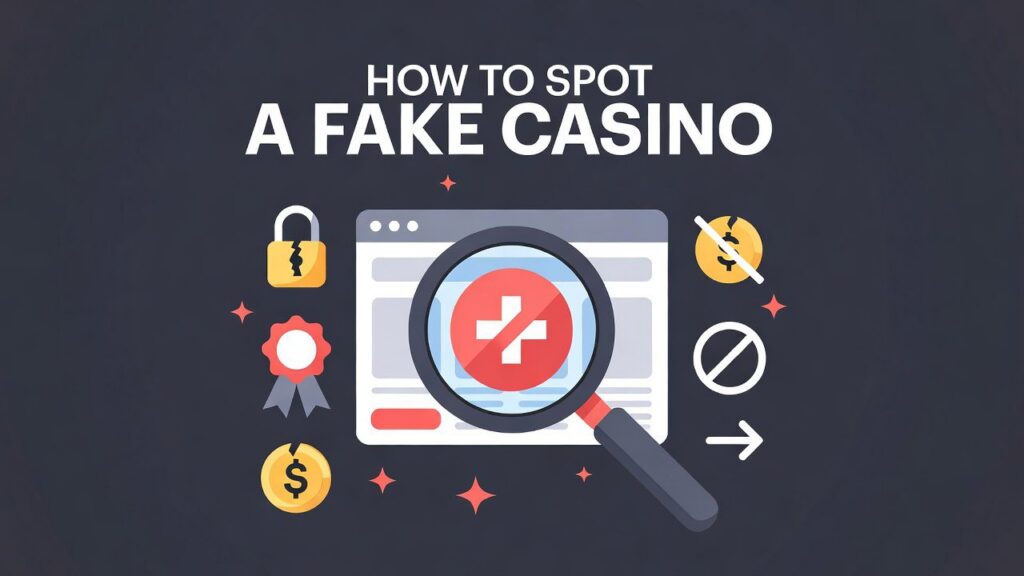
Scam online casinos are more common than most players expect. They look professional, run polished promotions and accept deposits without hesitation. The problems surface later. Your withdrawal gets blocked, your winnings disappear behind a new rule, or your personal data ends up somewhere it should not be. Knowing how to spot a scam online casino before you hand over any money is one of the most valuable things you can learn. This guide covers the warning signs that separate a fraudulent site from a legitimate one. It also covers what to do if you suspect you are already on one.
Why Scam Casinos Are Hard to Spot
The most dangerous scam casinos look nothing like scams. They invest in convincing design, generous-sounding welcome offers and customer service chat bots that answer quickly. They want you to deposit. Everything before the deposit is marketing. Everything after reveals whether the site is real.
The tactics scam operators use have also grown more sophisticated. Clone sites copy the branding of legitimate casinos almost perfectly. Unlicensed sites list fake licence numbers. Bonus traps are written to ensure you can never actually cash out. Each one requires a slightly different check to catch. The sections below break them down one by one.
Warning Sign 1: No Verifiable Licence
A missing or unverifiable gambling licence is the single clearest sign of a scam. Every legitimate casino holds a licence from a recognised regulator — the Malta Gaming Authority, UK Gambling Commission, or Gibraltar — and displays the number in the footer. You can verify it on the regulator’s public register.
Scam sites handle this in several ways. Some display no licence at all. Others show a logo that links nowhere, or a number absent from any register. A few fabricate a licence number entirely. Others claim a jurisdiction with minimal oversight and no searchable register. If a footer badge does not lead to the regulator’s own verification page for that casino, treat the licence as non-existent.
Warning Sign 2: Rigged or Uncertified Games
Legitimate casinos use software from certified providers whose games are independently tested by bodies like eCOGRA, GLI or BMM. Scam casinos often run proprietary software with no third-party audit. The games may look normal but the outcomes can be manipulated in ways a player has no way to detect.
Signals include unusually long losing streaks across all game types, games that lag just before a significant win, and RTP figures that are unpublished or unverifiable. A legitimate casino displays its certification seals in the footer with working links. If those seals are absent, fake or unclickable, the games have not been independently tested. You have no assurance they are fair.
Warning Sign 3: Withdrawal Problems and Delays
Scam casinos make deposits easy and withdrawals nearly impossible. The patterns are consistent and recognisable. First, payment is delayed beyond any reasonable time with no explanation. Then, new verification requirements appear that were never mentioned at sign-up. Then the casino claims a rule was broken and cancels the withdrawal. Each step is designed to exhaust you until you give up.
Understanding how withdrawals work at a legitimate casino makes these tactics obvious by contrast. A genuine site explains its KYC requirements upfront, processes withdrawals on time, and never invents new conditions. If a casino has taken multiple deposits but cannot process a withdrawal, that sequence is the scam in operation.
Warning Sign 4: Predatory Bonus Terms
Scam casinos use bonuses as a trap rather than an incentive. The bonus terms red flags to watch for include impossibly high wagering requirements, maximum cashout caps that make any win worthless, and vague “unusual play” clauses used to cancel winnings. Some sites change their terms after you accept a bonus. That is both a scam tactic and, in most jurisdictions, illegal.
The distinction from an aggressive-but-legal bonus is intent. A bad bonus makes withdrawal difficult. A scam bonus is designed so no path to withdrawal exists. If the terms read as though they were written to prevent you from ever withdrawing, they probably were.
Warning Sign 5: No Credible Contact or Support
Legitimate casinos provide multiple working support channels. Scam operations typically offer one channel — a contact form or email — that never responds or deflects with scripts. Live chat, where offered, is operated by bots that cannot resolve any real issue.
Test this before you deposit. Send a direct question about their licence number or withdrawal process. Note how long a response takes and how specific it is. A vague or absent reply to a licencing question is as clear a warning as the licence check itself. No physical address, no named ownership, no regulatory information — these are standard features of sites built to disappear.
Warning Sign 6: Suspicious Personal Data Practices
Scam casinos collect personal and financial data just as legitimate ones do for KYC purposes. The difference lies in what happens to it. A fraudulent site may request far more documents than verification requires, share data without consent, or use payment details for unauthorised charges.
Signs include requests for data that serves no obvious verification purpose, unclear or missing privacy policies, and no explanation of how data is stored or used. Legitimate casinos are transparent about their terms and conditions including data handling. They operate under data protection rules tied to their licence. A site with no privacy policy, or a meaningless one, should not receive your documents or payment details.
Warning Sign 7: Clone Sites and Fake Branding
Clone sites copy the name, logo and design of a well-known legitimate casino almost exactly, sometimes changing only a single character in the domain. A player searching for a trusted brand lands on the clone, deposits, and has no recourse because the real casino has no connection to the fraudulent copy.
Always check the exact URL in the address bar and verify it matches the casino’s official domain. A misspelling, an extra word, or a different top-level domain from the regulator’s register is enough to indicate a clone. This is why choosing a casino you have properly researched matters. An unfamiliar link is how most players land on clones.
What to Do If You Suspect a Scam Casino
If you believe you are on a scam site, stop depositing immediately and do not send any further personal documents. Raise a formal complaint through whatever contact channel exists, keeping records of every exchange. If the casino holds a real licence, file a complaint with the regulator. They have enforcement powers the casino must respond to. If no real licence exists, report the site to your country’s consumer protection authority and your payment provider, who may reverse a recent deposit.
Avoiding this situation entirely is always easier than resolving it. Running the checks that confirm a casino is legitimate before you deposit removes nearly all of the risk.
Playing Safely
The most effective protection against scam casinos is the habit of checking before you deposit rather than after. Verifying a licence, reading the terms and testing support tells you almost everything you need to know. If anything feels wrong before you deposit, it will be worse once your money is in.
If you have been affected by a problem gambling experience as a result of a scam site, support is available. Organisations such as GamCare, BeGambleAware and Gamblers Anonymous offer free and confidential help. It is worth finding a service based in your own country. Online casino gambling is only legal in certain regions, so check the rules where you live before playing.
Frequently Asked Questions
How can I tell if an online casino is a scam?
The clearest signs are a missing or unverifiable licence, games with no independent certification, and a pattern of blocking or delaying withdrawals. Check the footer licence badge links to the regulator’s own register, look for third-party testing seals, and read recent player reviews before depositing.
Can a casino steal my money legally?
A licensed casino can withhold funds if it genuinely believes a rule was broken, but it must explain which rule and give you a route to dispute the decision. Confiscating winnings without clear justification or refusing withdrawals without reason falls outside what any legitimate licence allows. An unlicensed site has no such constraints.
What is a clone casino?
A clone casino copies a legitimate brand’s name, logo and design almost exactly. Usually only one character in the domain differs. Players searching for the real casino land on the fake. Always verify the exact URL matches the official domain shown on the regulator’s register.
What should I do if a casino refuses my withdrawal?
Request a written explanation citing the specific rule invoked. Keep records of all communication. If the casino is licensed, file a formal complaint with the regulator or the ADR body the casino is registered with. If it is unlicensed, contact your payment provider about a chargeback and report the site to your country’s consumer protection authority.
Are all casinos with big bonuses scams?
No. Large bonuses are common at legitimate casinos too. The difference lies in the terms. Scam bonuses are written so withdrawal is mathematically or procedurally impossible. Legitimate bonuses have demanding but achievable conditions. Reading the full terms before claiming any offer is the fastest way to tell them apart.
How do scam casinos make money?
Primarily by accepting deposits and then refusing or stalling withdrawals until players give up. Some also profit from selling personal data collected during registration and KYC. Others run uncertified games where the outcomes are controlled to eliminate any chance of a player win exceeding the house’s payout threshold.
